Medical Disclaimer: This article is for informational and educational purposes only and does not constitute medical advice, diagnosis, or treatment. The medications and procedures described carry potential risks, side effects, and contraindications, and they are not appropriate for everyone. No reader should begin, stop, or change any medication, treatment, diet, or exercise program without first consulting a licensed physician or qualified healthcare provider. Coverage details, prices, and program rules cited here may change. If you are experiencing a medical emergency, call 911.
The conversation around weight loss has changed more in the last three years than it had in the previous thirty. Florida, with one of the higher obesity rates in the Southeast and a sprawling, decentralized healthcare market, sits at the center of that shift. New oral medications are now on pharmacy shelves, federal coverage is expanding for the first time, and minimally invasive procedures are giving patients alternatives that didn’t exist a decade ago.
Here’s what’s actually available to Floridians right now, what it costs, and what the catches are.
Why This Matters in Florida
Roughly 4 in 10 American adults have obesity, and Florida tracks close to the national average. The state’s Department of Health has estimated that obesity-related conditions cost Florida nearly $34 billion a year. The state’s geography, hot climate (which limits midday outdoor activity for much of the year), and its large population of seniors on Medicare all shape how residents access weight management care.
That access has been uneven. Florida Medicaid does not cover GLP-1 medications when they’re prescribed solely for weight loss, and the state has historically been more restrictive than most about diabetes-indicated GLP-1 coverage as well. Private insurance is a patchwork. But two changes in late 2025 and 2026 are starting to shift the landscape: new oral GLP-1 medications, and a federal Medicare pilot program.
The Big Story: GLP-1 Pills Have Arrived
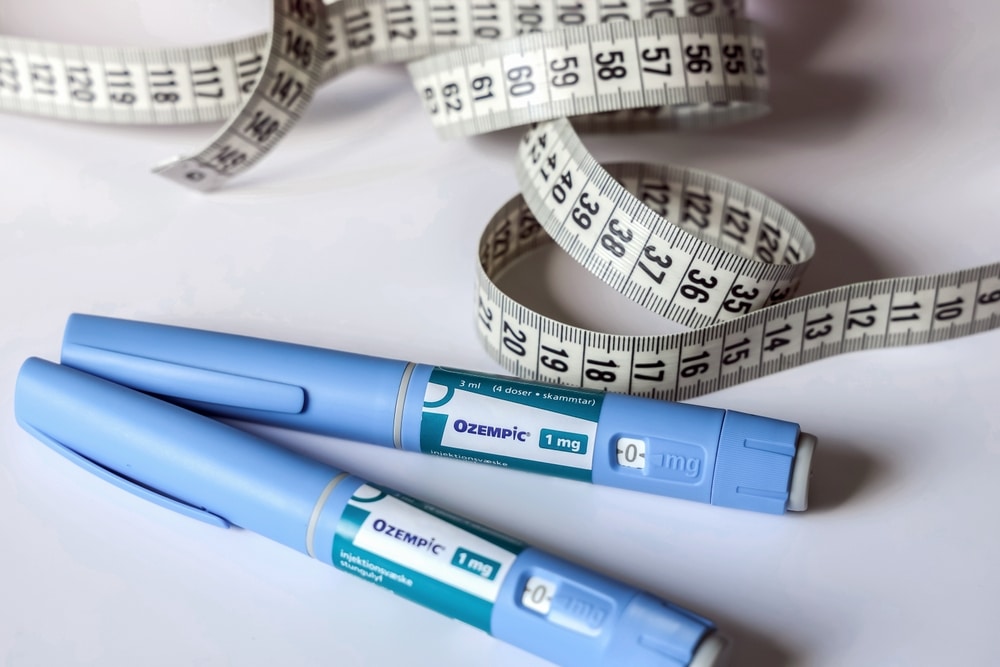
Until recently, the most effective weight loss medications — Wegovy, Zepbound, Ozempic, Mounjaro — all required a weekly injection. That changed in late 2025 and early 2026.
Wegovy (oral semaglutide, 25 mg). In December 2025, the FDA approved an oral version of Wegovy, making it the first GLP-1 pill approved for chronic weight management. Novo Nordisk launched it in early January 2026. In the OASIS 4 clinical trial, patients on the highest dose lost an average of about 16.6% of their body weight over 64 weeks — roughly comparable to the injectable version. It’s also approved to reduce the risk of major cardiovascular events in adults with established heart disease.
Foundayo (orforglipron). Eli Lilly’s once-daily pill, approved by the FDA in early 2026, is the only GLP-1 pill that can be taken any time of day without restrictions on food or water — a meaningful convenience advantage. It’s somewhat less effective than Lilly’s injectable Zepbound but easier to fit into a routine. Lilly priced it starting at $149 per month for the lowest dose for self-pay patients, with a savings card bringing eligible commercially insured patients down to roughly $25 per month.
Why pills matter. Beyond convenience, the pills appear to be drawing in patients who never would have tried injections — early data from Novo Nordisk showed the Wegovy pill expanding the obesity treatment market rather than just converting existing injection users. For Floridians who’ve avoided GLP-1s because of needle aversion, this is the most significant change in years.
The injectables are still here. Wegovy injection, Zepbound, Ozempic (diabetes), and Mounjaro (diabetes) remain widely prescribed. Tirzepatide (Zepbound, Mounjaro) generally produces the largest weight loss in clinical trials of any FDA-approved option.
Coverage: The Florida Reality
Cost is where Florida’s situation gets complicated.
Florida Medicaid. Does not cover GLP-1s prescribed for weight loss as a standalone indication. Coverage may exist when these drugs are prescribed for type 2 diabetes or, in some cases, cardiovascular risk reduction in patients who already have heart disease — but not for obesity alone.
Medicare. Historically excluded weight-loss drugs entirely under Part D. That’s changing, at least temporarily. The new Medicare GLP-1 Bridge pilot, which launched July 1, 2026, provides eligible Part D beneficiaries access to the Wegovy injection and pill, the Zepbound KwikPen, and the Foundayo pill. To qualify, beneficiaries generally need a BMI of 27 or higher plus a qualifying condition such as prediabetes, prior heart attack, prior stroke, or symptomatic peripheral artery disease. Participants pay a $50 monthly copay. The program runs through December 31, 2027, and is meant to bridge into a longer-term federal model called BALANCE.
Private insurance. Highly variable. Some Florida employer plans cover Wegovy or Zepbound with prior authorization; others exclude anti-obesity medications categorically. Coverage is often easier to obtain when you have a comorbidity like sleep apnea, hypertension, or prediabetes documented in your chart.
Self-pay and telehealth. Florida’s telehealth rules are relatively permissive — providers can prescribe GLP-1s for weight loss without an in-person visit first. That has fueled a large telehealth market across the state offering compounded semaglutide and tirzepatide at lower prices than brand-name drugs. A practical note: Florida’s heat makes cold-chain shipping essential for injectables. Confirm your pharmacy uses insulated, temperature-controlled packaging before ordering.
Procedures: Beyond Surgery, But Surgery Still Works
For patients who don’t respond to medication, can’t tolerate it, or want a more durable solution, procedural options have expanded significantly.
Endoscopic (No-Incision) Procedures
These are performed through the mouth using a flexible scope — no abdominal cuts, generally outpatient, and faster recovery than traditional surgery. They’re typically not covered by insurance, so most Floridians pay out of pocket.
- Endoscopic Sleeve Gastroplasty (ESG). A surgeon uses internal sutures to fold and reduce the stomach to roughly the shape of a sleeve, without removing any tissue. Patients commonly lose 15–20% of body weight. Recovery is days, not weeks.
- Intragastric balloon. A soft, saline-filled balloon is placed in the stomach and removed after about six months. Useful for patients with lower BMIs or as a bridge to other interventions.
- Transoral Outlet Reduction (TORe). Designed for patients who’ve regained weight after gastric bypass, this re-tightens the stomach pouch outlet endoscopically.
Traditional Bariatric Surgery
Still the most studied option for sustained weight loss, with patients typically losing 60–70% of excess body weight in the first two years.
- Sleeve gastrectomy. Removes about 75–85% of the stomach. Currently the most commonly performed bariatric procedure in the U.S.
- Roux-en-Y gastric bypass. Reroutes part of the digestive tract; particularly effective for patients with type 2 diabetes.
- Duodenal switch / SADI-S. More complex procedures generally reserved for patients with very high BMIs.
Insurance coverage for surgery is typically available with a BMI of 40 or higher, or 35+ with a qualifying condition. Most plans require documentation of prior supervised weight-loss attempts and a psychological evaluation.
Where Floridians Go
Florida has a strong network of accredited bariatric centers. Programs designated by the Metabolic and Bariatric Surgery Accreditation and Quality Improvement Program (MBSAQIP) include:
- Cleveland Clinic Florida (Weston, Stuart, Vero Beach)
- Baptist Health South Florida (South Miami Hospital)
- Jackson Health System (Miami)
- AdventHealth (multiple Central Florida locations)
- Orlando Health Weight Loss and Bariatric Surgery Institute (downtown Orlando, with a new 28,000-square-foot facility breaking ground in 2026 and expected to open in 2027)
- UF Health Shands (Gainesville)
- HCA Florida South Tampa Hospital
- BayCare / South Florida Baptist Hospital (Plant City)
Most offer free informational seminars, virtual consultations, and dedicated insurance verification teams.
What’s Coming Next
A few developments worth watching:
- Retatrutide, Eli Lilly’s investigational triple-receptor agonist, has shown weight loss results in trials that exceed current options. It’s not yet FDA-approved.
- Combined approaches. Researchers are increasingly studying GLP-1 medications combined with endoscopic procedures, which may produce better long-term results than either alone.
- The BALANCE Model. The federal program expected to follow the Medicare GLP-1 Bridge would, if implemented, provide more durable Medicare and Medicaid coverage of GLP-1s starting in 2027 or 2028. Implementation depends on manufacturer participation and state opt-in.
Practical Steps if You’re Considering Treatment
- Start with your primary care provider. Document your BMI, any comorbidities, and prior weight-loss attempts. This paperwork is often the difference between an insurance approval and denial.
- Call your insurer’s pharmacy benefits line. Ask specifically whether anti-obesity medications are covered, what prior authorization requires, and whether you’d need to try a less expensive option first.
- If you’re on Medicare, ask whether you qualify for the GLP-1 Bridge based on BMI plus prediabetes, prior cardiovascular event, or peripheral artery disease.
- If you’re considering telehealth, verify the prescriber is licensed in Florida, ask whether you’ll get brand-name or compounded medication, and confirm temperature-controlled shipping.
- For procedures, schedule consultations at two or three accredited centers before committing. Surgical and endoscopic outcomes vary by surgeon experience as much as by procedure type.
The Bottom Line
Floridians today have more weight management options than ever — pills that work nearly as well as injections, procedures that don’t require incisions, and, for the first time in decades, a real federal pathway toward Medicare coverage. The catch is that the system is still fragmented. Coverage depends on your insurer, your diagnosis, your county, and sometimes your luck with prior authorization. The patients who do best are typically the ones who do the homework: get the right documentation, ask the right questions, and work with providers who know how to navigate Florida’s particular insurance landscape.
Talk to your doctor before acting on any of this. The right path depends on your medical history, not on what’s making headlines.
Disclaimer (repeated): This article does not provide medical advice. Information about medications, procedures, costs, and insurance coverage was accurate to the best of the author’s knowledge at the time of writing but is subject to change. Consult a licensed Florida healthcare provider before making any medical decisions.